


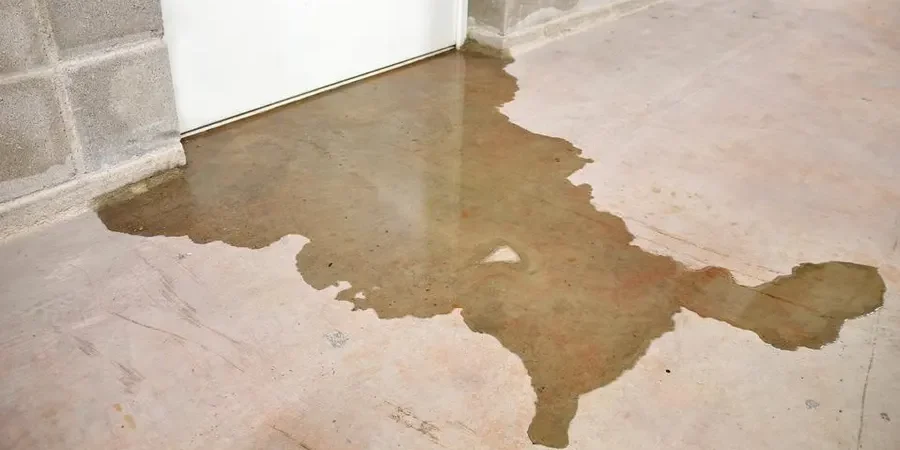
Leak detection is a critical aspect of maintaining the safety, efficiency, and integrity of various systems, from household plumbing to industrial pipelines. As latent leaks can lead to significant water loss, costly damage, and environmental hazards, the importance of timely detection cannot be overstated. Advances in technology have introduced innovative solutions that allow for more accurate, fast, and cost-effective leak detection methods, making it easier for both homeowners and professionals to address leaks before they escalate into larger issues.
This article will explore the various leak detection techniques available today, including traditional methods and cutting-edge technologies, as well as the importance of regular monitoring and maintenance. By understanding the different strategies and tools employed in leak detection, individuals and organizations can take proactive measures to safeguard their properties, conserve resources, and minimize potential harm to the environment.
Traditional Leak Detection Techniques
Traditional leak detection methods, such as visual inspections and acoustic listening devices, have been utilized for decades in both residential and commercial settings. Visual inspections typically involve a comprehensive examination of visible pipes and infrastructure to identify leaks or water stains that may indicate a problem. Acoustic devices, on the other hand, rely on the sound of water escaping from pipes to pinpoint leaks, making them especially useful in noisy environments. While these approaches can be effective, their reliance on human judgment and experience can sometimes lead to missed detections or false positives. For more precise and efficient solutions, individuals often turn to modern technologies or seek assistance from professionals who specialize in water leak detection near me.
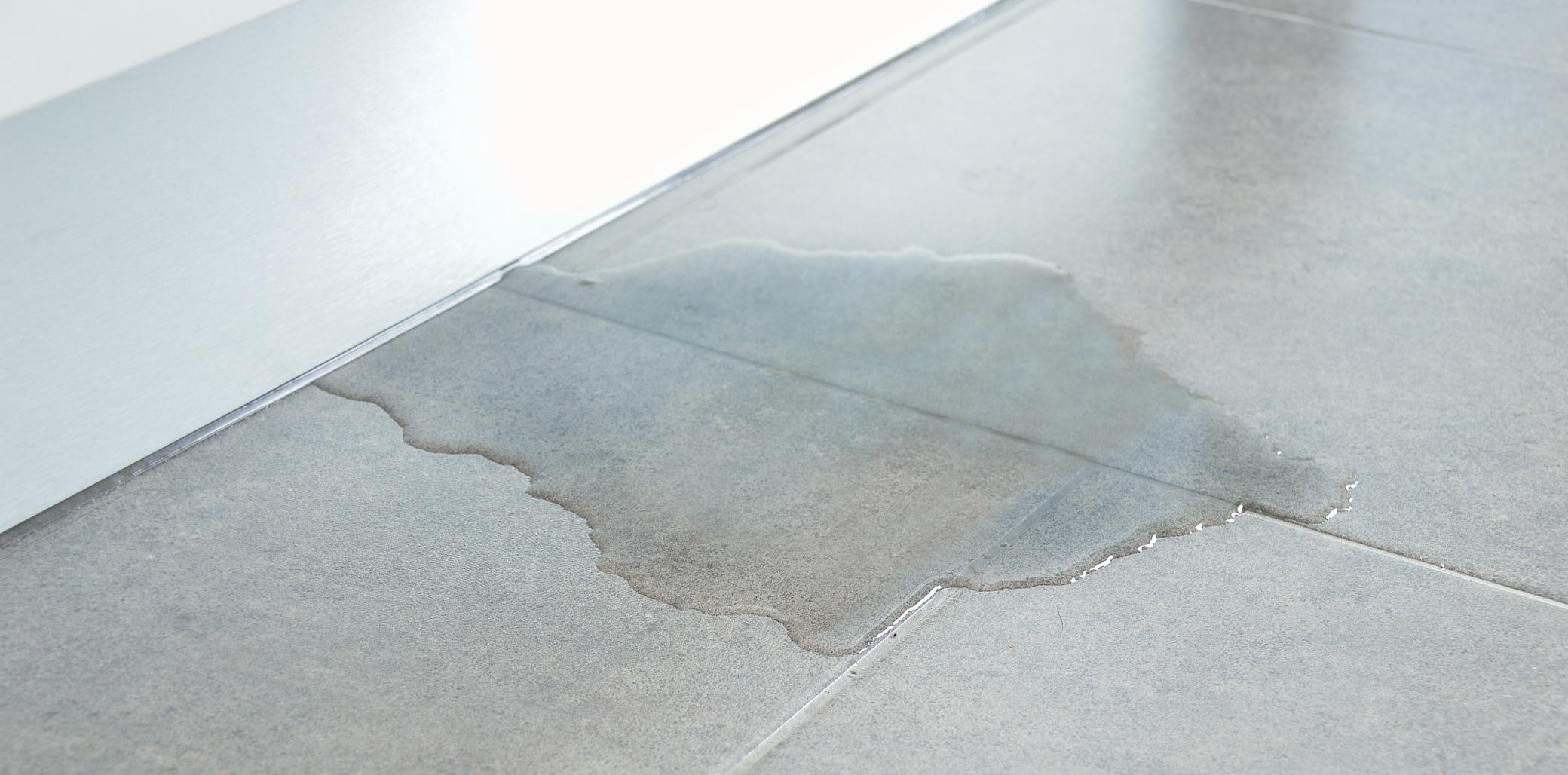
Advanced Technologies in Leak Detection
The evolution of leak detection technology has introduced numerous advanced methods, including infrared thermography, ground-penetrating radar, and smart sensors. Infrared thermography utilizes thermal imaging to identify temperature differences in plumbing systems, revealing hidden leaks that may not be immediately visible. Ground-penetrating radar provides a non-invasive way to visualize underground pipes and locate leaks without the need for extensive excavation. Smart sensors equipped with IoT technology can monitor systems in real time, detecting leaks instantly and sending alerts to property managers. These technologies significantly reduce the time and cost associated with leak detection while minimizing the impact on the environment, making them invaluable tools in today’s leak detection practices.
In conclusion, the significance of effective leak detection cannot be underestimated, as it plays a vital role in protecting both infrastructure and the environment. By employing a combination of traditional and advanced leak detection methods, individuals and businesses can proactively manage their resources, prevent costly damages, and ensure the longevity of their assets. Regular monitoring, supported by cutting-edge technologies such as smart sensors and infrared thermography, empowers property owners to identify and address leaks in real time, thus enhancing overall system efficiency and sustainability. As awareness of these techniques grows, so too does the potential for safeguarding our water resources and minimizing ecological impact, ultimately leading to safer and more efficient living and working environments.




Leave a Reply