


In an age where mental health awareness is increasingly prioritized, innovative therapies are being explored to enhance emotional well-being. One such method gaining traction is red light therapy, a non-invasive treatment that utilizes low-wavelength light to promote cellular healing and rejuvenation. Beyond its well-documented benefits for skin health and pain relief, emerging research indicates that red light therapy may also play a significant role in improving mood and alleviating symptoms of anxiety and depression.
As individuals seek natural alternatives to traditional pharmacological treatments, the appeal of red light therapy lies in its simplicity and effectiveness. This article delves into the science behind red light therapy, investigating how it interacts with the body’s biological processes to bolster mood, reduce stress, and enhance overall mental clarity. By understanding the mechanisms of this innovative therapy, we can better appreciate its potential as a holistic approach to mental health care.
Mechanisms of Red Light Therapy
Research into red light therapy reveals that this treatment stimulates the mitochondria within our cells, enhancing ATP (adenosine triphosphate) production. This increase in cellular energy can significantly influence the body’s biochemical balance, promoting better neuronal function and facilitating communication between brain cells. Studies suggest that these cellular enhancements may lead to increased production of neurotransmitters such as serotonin and dopamine, which are crucial for mood regulation. The potential of red light therapy goes beyond just physical health; it actively engages biological pathways that can elevate emotional well-being.
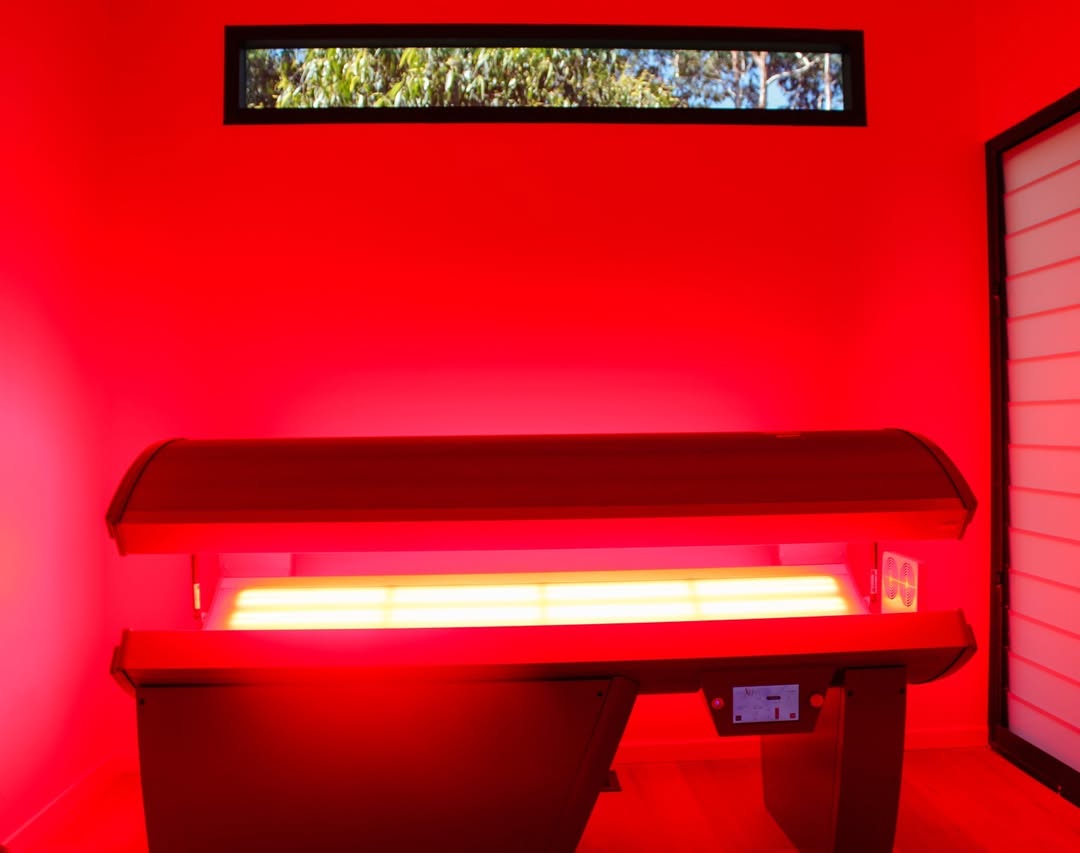
The Appeal of Non-Invasive Treatments
As more individuals seek holistic solutions for managing mental health, the non-invasive nature of red light therapy makes it an attractive option. There are no systemic side effects commonly associated with pharmaceuticals, which can deter individuals from pursuing traditional treatments. The simplicity of this therapy allows it to be easily integrated into daily life, making it a practical choice for those grappling with anxiety or depression. This growing interest is reflected in various health and wellness communities that are continuously researching the efficacy of Red Light Therapy For Mood, paving the way for broader acceptance and application in mental health strategies.
In conclusion, as the landscape of mental health care continues to evolve, red light therapy emerges as a promising adjunct or alternative to conventional treatments. Its ability to activate cellular processes linked to mood regulation and its non-invasive nature make it an appealing option for many seeking relief from anxiety and depression. While more extensive research is necessary to establish standardized protocols and broaden understanding, the initial findings suggest that red light therapy holds significant potential in enhancing emotional well-being. As we prioritize mental health, incorporating innovative therapies such as this can lead to a more comprehensive approach to achieving balance and resilience in our lives.




Leave a Reply