


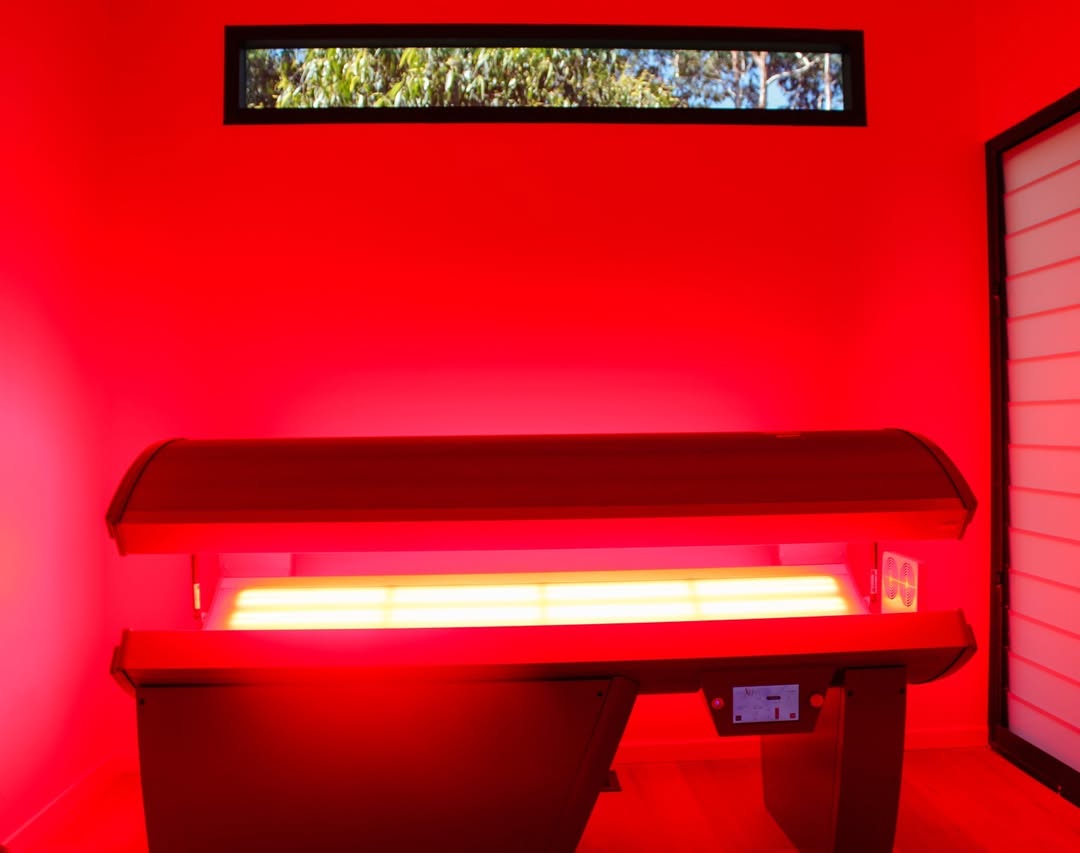
Red light therapy (RLT) has gained significant attention in recent years as a promising treatment modality for a variety of medical and cosmetic conditions. Utilizing specific wavelengths of light, typically in the red and near-infrared spectrum, this non-invasive therapy seeks to harness the power of light to promote healing, reduce inflammation, and enhance cellular function. Understanding the mechanism of action behind red light therapy is essential to comprehend how it benefits various tissues and systems in the body, from skin rejuvenation to injury recovery.
At the core of red light therapy’s effectiveness lies its ability to penetrate the skin and stimulate cellular processes. The light interacts with mitochondrial chromophores, primarily cytochrome c oxidase, which plays a crucial role in cellular respiration. This interaction leads to increased adenosine triphosphate (ATP) production, enhanced blood circulation, and the modulation of reactive oxygen species. As a result, red light therapy not only accelerates the healing process but also supports tissue repair and regeneration, making it a versatile tool in both clinical and aesthetic settings.
Mechanisms of Healing
The therapeutic effects of red light therapy (RLT) extend beyond mere cellular activation; they also include the modulation of inflammatory processes. By facilitating improved blood flow and nutrient delivery to affected areas, RLT enhances the body’s natural ability to heal. This reduction in inflammation can alleviate pain and promote faster recovery from injuries, including muscle strains and joint pain. Furthermore, the therapy can contribute to the fading of scars and improvement of skin conditions by promoting collagen synthesis and tissue remodeling. For those interested in the scientific intricacies of this treatment, the Red Light Therapy Mechanism Of Action provides a comprehensive overview of how light influences various biological pathways.

Applications in Clinical and Aesthetic Settings
RLT is increasingly being recognized for its diverse applications across both medical and cosmetic domains. In clinical settings, it has shown promise in treating chronic conditions such as arthritis and tendinopathy, while also being used post-surgery to enhance recovery. Aesthetically, red light therapy is employed to tackle issues like fine lines, wrinkles, and uneven skin tone, demonstrating its versatility. The non-invasive nature of RLT, coupled with its ability to stimulate healing without significant side effects, positions it as a highly beneficial modality for individuals seeking both health improvement and cosmetic enhancement.
In conclusion, red light therapy operates through a multifaceted mechanism that not only stimulates cellular energy production but also modulates essential biological processes, including inflammation and tissue regeneration. By interacting with mitochondrial components and enhancing ATP synthesis, RLT fosters an environment conducive to healing and repair, making it advantageous for various applications in both clinical and aesthetic fields. The therapy’s ability to promote improved blood circulation, reduce pain, and stimulate collagen production means it stands out as a non-invasive solution for a range of conditions, from managing chronic pain and inflammation to rejuvenating the skin. As research continues to unveil the underlying biological pathways, red light therapy is likely to gain further recognition for its efficacy and safety, solidifying its role in contemporary healthcare and beauty practices.



Leave a Reply